

The Art of Speaking:
Presence Carries the Message
If one had to define the art of speaking, one would say: the art of connecting with others. Not the brilliance of an orator, but the ability to create a bond and to carry a message across. For an audience does not receive content alone: it receives a presence. And that presence is no gift—it can be trained.
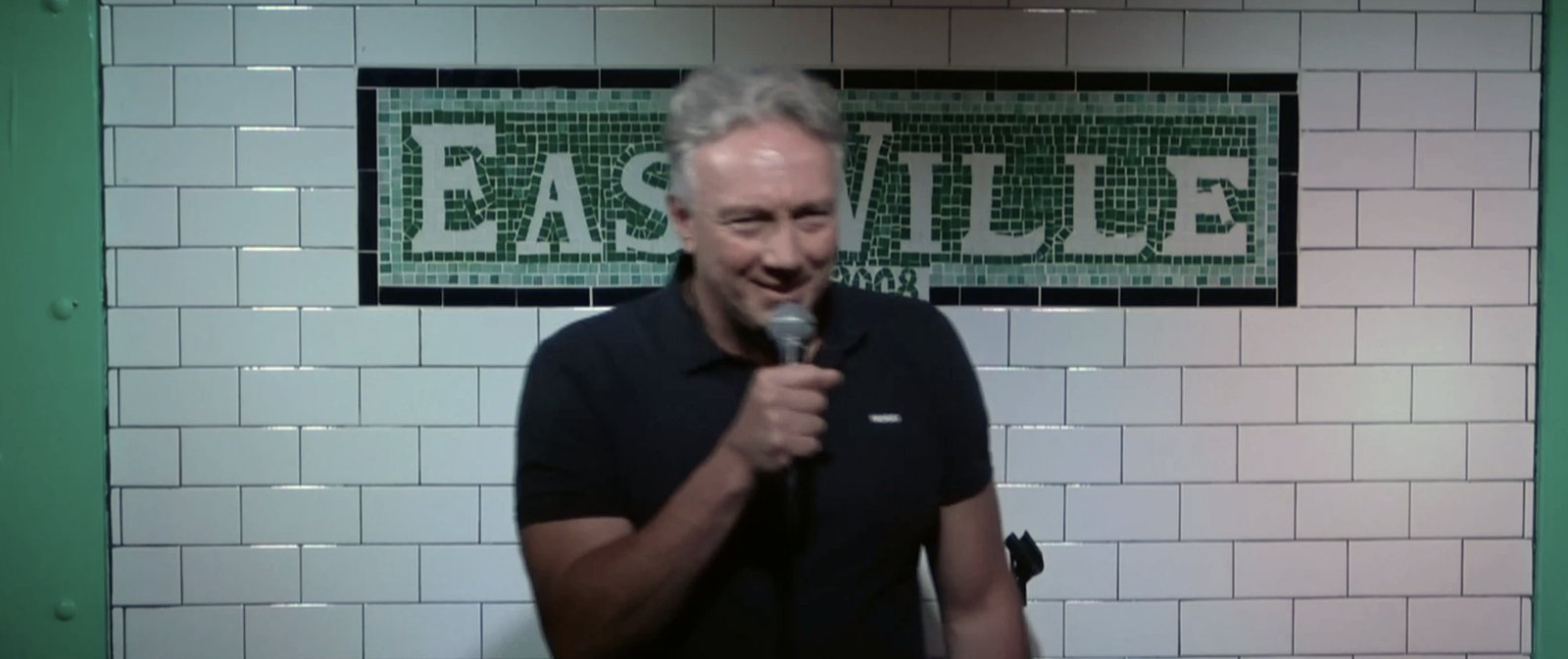
To speak is to create a bond
Two people utter the same words. One holds the room, the other loses it. The text is identical, yet the message lands only once. We usually believe everything rests on substance: we polish the arguments, we refine the slides, and we forget the voice that trembles, the gaze that slips away, the body that folds in on itself. Three signals that erase the finest ideas. Albert Mehrabian's work, often caricatured, says something more accurate: when words, tone and body contradict one another, it is the body that prevails, all the more so when emotion or conviction is at stake. Hence a simple demand—align the three.
Between two pitfalls, find your centre
The art of speaking rests on a thread. At one end, the speaker who dissolves into the room, fearing they do not belong there; their unease makes the audience uneasy, for emotions are contagious. At the other, the one who thinks too much of themselves, speaks loudly, takes up all the space and no longer checks whether anyone is following. In both cases, no one is listening any more. The whole task is to find that centre where one is fully present, with everything one has to say. And the path to that centre runs through the other person: staying connected to the audience is what allows you to sense, in the moment, whether you are sliding toward under- or over-estimation, and to realign.
Connection through the directed gaze
The directed gaze is the gaze turned toward the other, laid on a face for one or two seconds, then on another, leaving no one out. Two rules govern it. Equity first: the whole room is entitled to it, including the least smiling faces, for being ignored stirs in each of us a quiet anger. Adjustment next: this gaze informs your brain and whispers to you, in the moment, the right word and the right subject. It is also what banishes the "ums". These hesitations almost always arise from a transition—a gaze that leaves the room to return to oneself. Hold the bond, allow yourself to throw yourself into the room like a singer into the crowd, and they dissolve.
The breath, before and during
The breath plays two roles that are often forgotten: it regulates emotion, stage fright, and it carries the voice. Distinguish the before from the during. Before speaking, prepare the body: a few minutes of cardiac coherence—breathe in for five seconds, out for five—are enough to let the tension subside. During, breathe from the belly and not from the chest, as almost all of us do under the grip of stress. Place your hands on your belly: if it swells as you breathe in, you are breathing right. The principle is simple: a long exhalation summons calm, and it is on the exhalation that the voice settles. Breathing well means winning on both counts—more composed and more audible.
Posture embodies the message
The body speaks before the words. A stable, open posture establishes a quiet authority; a closed posture betrays insecurity. Three markers are enough. The anchoring: both feet on the ground, set a little wider than usual, the weight evenly spread, without swaying. The verticality: the body anchored in the ground, the head in the stars, as if drawn upward by a thread, shoulders relaxed and chin level. The openness: broad gestures, palms visible, rather than hands in pockets or arms crossed. An underrated point: posture speaks not only to the audience, it speaks to you. Standing tall sends your own brain a signal of safety, and the body then leads the mind.
Three levers, a single chain
Gaze, breath and body are not worked on each in its own corner: they reinforce one another and compose a single presence that carries.
- The gaze — create and hold the bond, seek out the right information, and make the "ums" disappear.
- The breath — soothe stage fright before speaking, settle and carry the voice during.
- The body — embody the message and send yourself a signal of safety.
The breath anchors the body, the stable body frees the gaze, the gaze creates the connection. A chain, not a catalogue. A sixty-second routine sums up its spirit: breathe, anchor yourself, then lay your gaze on a first welcoming face and address your first sentence to it.
Holding the emotional course
Speaking in public stirs emotions: stage fright, sometimes a jab thrown from the room. Moving through them without being swept away is part of the art. First, reverse the intention. As long as you think "they expect something of me", the pressure mounts and the body closes. Shift toward "I am curious to see how they will react to what I say". That curiosity, tinged with goodwill, relaxes the face and calls up a smile. Faced with an aggressive remark, be neither sponge nor wall: welcome the energy and send it back toward the subject. And keep contact with the whole room, never with the lone objector alone. Without an inner foundation, a compliment and we soar, a criticism and we collapse; centring is staying anchored in the reason that moves us to speak.
Charisma can be trained
We believe charisma is innate; it is above all the fruit of three trained habits—a gaze that connects, a breath that settles, a body that anchors. What you embody speaks louder than what you say: train the messenger as much as the message. The rest is not really read, it is lived standing, in the moment. That is precisely where our guidance takes over, to rehearse, to try, to begin again, until these three gestures become your own.